Mise à jour du site, merci pour votre patience. / Website update. Thank you for your patience.

Art Gallery of Nova Scotia / Galerie d'art de Nouvelle-Écosse

2020
Halifax, Nova Scotia, Canada
  • Architecture for culture, research, sport or leisure
  • Building
  • Museum
Provincial Context - Why Great Places Support Economic Growth in Nova Scotia

The Province of Nova Scotia is focused on fostering inclusive economic growth by building and promoting a more innovative and diverse economy. This work includes creating platforms to grow the creative economy, the tourism sector and small business opportunities.

A focus on the creation of great places will contribute to developing a compelling and differentiating value proposition for Nova Scotia on a world stage, which is not only important to attract population growth, but also to drive strategic sector growth, including tourism. Great places attract visitors who are looking for authentic cultural experiences.

The Province of Nova Scotia is intent on an Arts District and is interested in what the new Art Gallery of Nova Scotia Project brings to the waterfront. These include: a focus for arts and culture bolstering our existing offerings on the waterfront across a wider spectrum of art, performance and music and making art accessible to all Nova Scotians, the opportunity to demonstrate who we are to ourselves and visitors and strengthen the sense this place though the arts, placing art as an inspiration at the centre of the urban innovation district and adding to the critical mass of innovation and opportunity for creative industries; and strengthening the waterfront as a place where all Nova Scotians can feel they belong and can come to be together around an important cultural institution.

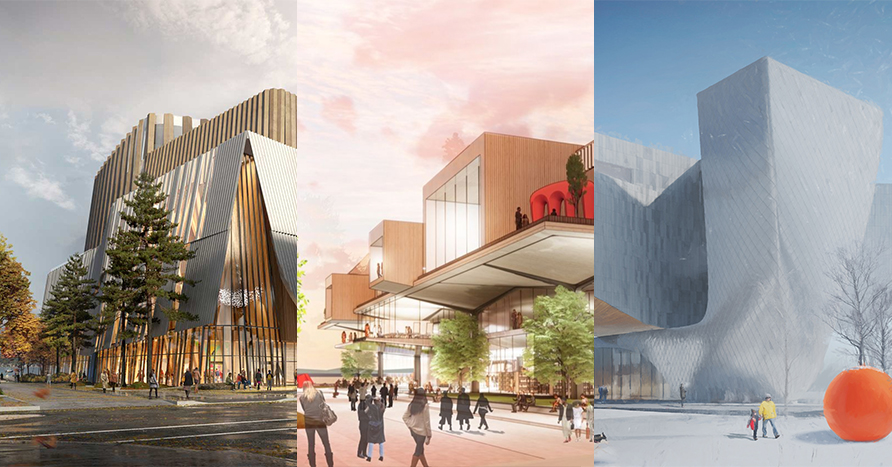
The Design Competition was delivered in two stages. Stage One Request for Proposals, and Stage Two Design Competition.

The intent of Stage One Request for Proposals was to qualify a maximum of three (3) proponents, to participate in a Stage Two Design Competition. Stage One consisted of an evaluation of the experience and qualifications of the proponent firms. A maximum of the eight (8) highest scoring proponents achieving a passing score following the evaluation of the RFP submissions were invited to participate in an interview. The accumulative score of the RFP submission and the interview will made up the total score for Stage One.

The three proponents who passed with the highest combined Stage One score (qualifications and interview) were invited to participate in the Stage Two Design Competition.

(From competition brief)